Integrating the 3D Christmas Whale Mug Wrap into Your Sublimation Workflow
In the world of custom merchandise and print-on-demand, efficiency is not just a preference; it is a necessity. For creators, small business owners, and hobbyists alike, the ability to produce high-quality, visually striking products without getting bogged down in repetitive design tasks is crucial for scalability. This is where specialized digital assets, such as the 3D Christmas Whale Mug Wrap, become integral components of a streamlined production pipeline. Rather than viewing these files merely as static images, successful entrepreneurs treat them as foundational elements in a broader creative and logistical process.
The holiday season presents a unique surge in demand for personalized gifts. Consumers are looking for items that stand out from generic store-bought options, favoring designs that combine whimsy with professional finish. A Christmas Whale watercolor aesthetic, rendered in a sophisticated 3D style, offers exactly this blend. However, acquiring the design is only the first step. Understanding how to integrate a 3D Christmas Whale Mug Wrap Background into your existing workflow ensures that you maximize both quality and output speed.
Pre-Production: Asset Verification and Preparation
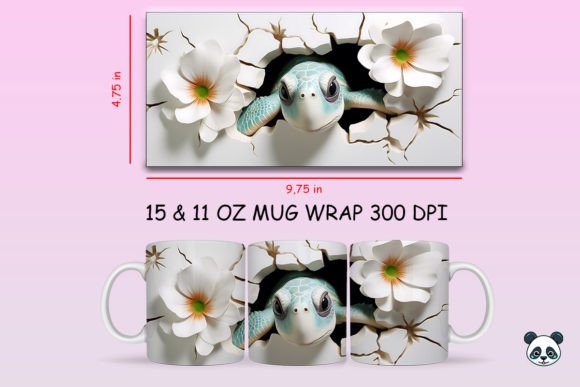
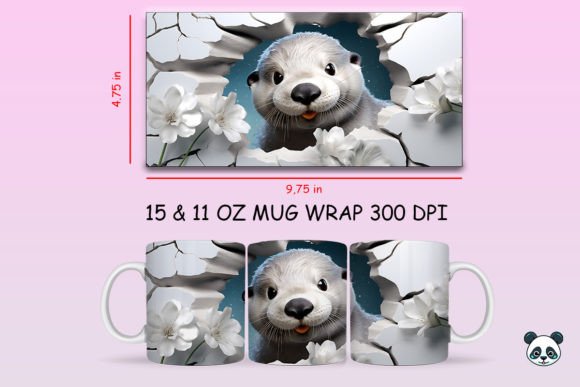
Before any printing begins, the preparation phase determines the success of the final product. When you purchase an Instant Digital Download PNG, you are bypassing the time-consuming stages of illustration and pattern creation. This allows you to focus immediately on technical compatibility and quality control. The file provided is typically a high-resolution PNG, such as the standard 9.75 inches by 4.75 inches at 300 DPI. This specific dimension is critical because it aligns perfectly with the printable area of a standard straight mug, particularly the popular 20 oz skinny mug and the classic 15 oz mug.
Effective workflow integration starts with organization. Upon downloading the ZIP file containing your Christmas Whale png, immediate categorization is essential. Store the file in a dedicated directory labeled for holiday sublimation assets. This prevents the common bottleneck of searching for files during peak production hours. Furthermore, verifying the resolution is a non-negotiable step. A 300 DPI resolution ensures that the intricate details of the 3D Christmas Whale—such as the texture of the skin and the depth of the watercolor effects—remain crisp when transferred to ceramic. Low-resolution substitutes often result in pixelation, which undermines the perceived value of the final product.
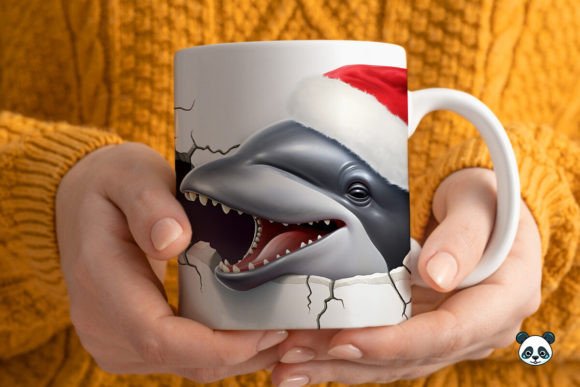
It is also vital to understand the distinction between a flat design and a 3D Mug wrap. While the file itself is a two-dimensional image, the "3D" aspect refers to the visual depth created within the artwork. This illusion of depth requires precise alignment during the wrapping process. Ensuring your design software (such as Photoshop, Canva, or Silhouette Studio) is configured to handle large PNG files without compression artifacts is part of this preparatory checklist.
Design Integration and Customization
Once the asset is verified, the next phase involves integrating the Christmas Whale Mug wrap into your specific product offerings. While the file is ready to print, many creators choose to add a layer of personalization or branding. This might involve adding a recipient’s name, a business logo, or a complementary text element like "Merry Christmas." Because the background is a Christmas Whale seamless pattern or a cohesive scene, it provides a flexible canvas for overlaying text without disrupting the visual harmony.
When working with a 20 oz Skinny Mug Sublimation Design, aspect ratio consistency is key. The tall, narrow format of the skinny mug differs from the squatter profile of an 11 oz mug. Using a template specifically designed for the target mug size prevents distortion. If you are adapting the 3D Christmas Whale Mug Wrap for different mug sizes, use smart objects or layer masks in your editing software to resize the whale motif proportionally. This ensures that the whale does not appear stretched or compressed, maintaining the integrity of the 3D design.
Color management is another critical consideration during this stage. Sublimation printing relies on CMYK color profiles, while digital screens display in RGB. The vibrant blues and greens of the Christmas Whale background may shift slightly during printing. Performing a test print on plain paper before committing to sublimation paper allows you to adjust saturation and brightness levels. This step minimizes waste and ensures that the final product matches your digital proof, a key factor in maintaining customer satisfaction and reducing returns.
Execution: The Sublimation Process
The transition from digital file to physical product is where precision matters most. Sublimation is a heat-transfer process that turns solid ink into gas, bonding it with the polymer coating of the mug. To achieve a flawless 3D mug sublimation result, several variables must be controlled: temperature, time, and pressure.
Start by printing the Christmas Whale wrap onto high-quality sublimation paper using sublimation ink. Ensure your printer settings are set to "high quality" or "photo" mode to capture the subtle gradients of the watercolor effect. Once printed, allow the ink to dry completely to prevent smudging. Next, wrap the paper around the mug, securing it with heat-resistant tape. It is crucial to align the seams of the mug wrap template carefully. Any misalignment will result in a visible gap or overlap in the pattern, breaking the immersion of the 3D background.
Use a mug press or an oven with a mug wrap setup, depending on your equipment. For a standard 15 oz or 20 oz mug, typical settings range from 380°F to 400°F for 180 to 200 seconds, but always refer to your specific press manufacturer’s guidelines. Consistent pressure is vital; uneven pressure can cause "ghosting," where the image appears blurry or doubled. The seamless pattern nature of some whale designs helps mask minor alignment issues, but a precise wrap yields a professional-grade finish that customers appreciate.
Post-Production and Quality Assurance
After the heating cycle is complete, remove the mug from the press and let it cool naturally. Peeling off the sublimation paper while the mug is still hot can sometimes lead to ink transfer issues or burns. Once cooled, inspect the Christmas Whale skinny Mug for any imperfections. Look for white spots (indicating insufficient pressure or debris), color banding, or misalignment. This quality control step is essential for maintaining brand reputation.
Photography for marketing purposes should happen in natural light to accurately represent the colors of the 3D Christmas Whale. Highlight the depth and texture of the design in your product images. Since the item is a Digital Download for creators, if you are selling the physical mug, emphasize the durability and vibrancy of the sublimation print in your product descriptions. If you are selling the digital file itself, provide clear mockups showing how the mug wrap sublimation looks on various mug types, helping potential buyers visualize the end result.
Long-Term Workflow Optimization
Incorporating assets like the 3D Christmas Whale Mug Wrap into your library is not a one-time event but part of a long-term strategy for content creation. By building a collection of high-quality, themed wraps, you reduce the lead time for new product launches. During the holiday rush, having pre-vetted, ready-to-print designs allows you to scale production without sacrificing quality.
Furthermore, consider how this design interacts with other products. The same Christmas Whale png can often be adapted for coasters, ornaments, or tote bags, creating a cohesive product line. This cross-utilization maximizes the return on investment for each digital asset purchased. Keep track of which designs perform best in terms of sales or engagement. Data-driven decisions allow you to curate your library effectively, focusing on themes like the 3D Christmas Whale that resonate with your audience.
Ultimately, the value of a 3D Mug wrap lies in its ability to bridge the gap between creative vision and commercial execution. By treating the digital file as a component in a structured workflow—encompassing preparation, customization, precise execution, and quality assurance—you ensure consistent, high-quality outcomes. This approach not only enhances operational efficiency but also elevates the perceived value of your handmade goods, fostering customer loyalty and driving business growth.